


Ergonomic Office S.P.A S Model

The Ergonomic Office Framework™
How does ergonomics work in real day to day office environments?
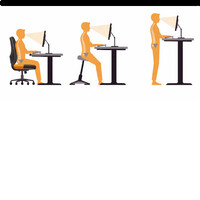
One element can be explained through the ergonomic office S.P.A S Model: Sit . Perch . Active Stand™
Risk sits with prolonged sedentary duration without movement.
The S.P.A S Model™ mitigates this risk through posture variation and dynamic movement options across the workday. Variance in natural and neutral postures rather than reliance on any single posture reduces prolonged static duration while supporting comfort, circulation, performance and sustainability at work.
The S . P . A S Model™ defines three primary posture states:
-
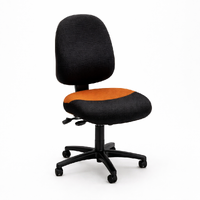
Sitting
-
Perching
-
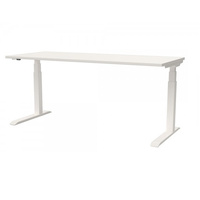
Active Standing
By intentionally alternating between S.P.A S stages the body is encouraged to engage in dynamic movement and continuous micro-movement throughout the workday.
Dynamic movement is facilitated through:
-
Regular posture transitions
-
Small, frequent adjustments in joint angle and weight-bearing
-
Natural shifts between supported and upright postures
This approach reduces prolonged static duration while supporting postural sustainability. Small posture changes help the body reset and keep blood moving. Posture changes and brief movement contribute to natural repose and help maintain healthy blood flow across the workday.
Sedentary Risk Reduction
The S.P.A S Model™ reduces sedentary risk by encouraging:
-
Posture variation
-
Regular movement
-
Reduced static loading duration
.png) ©
©
"ergonomic office S.P.A S Model - Sit → Perch → Active Stand ™ "






.png)