


An Active Workplace is the New Normal
Why is an Active Office the new Normal?
An active workplace reduces fatigue, discomfort and long-term health risk by encouraging regular posture change and movement throughout the working day. Evidence shows that prolonged static sitting increases musculoskeletal strain and contributes to broader health risks, while work environments that support movement improve comfort, focus and productivity without disrupting workflow.
Why Movement at Work Matters?
It is now well established that regular movement is beneficial for overall health. Walking, exercise and sport all contribute to physical wellbeing. What is increasingly clear is that remaining sedentary for long periods at work presents its own health risks, even for otherwise active individuals.
Office work often involves extended periods of sitting and sustained screen use. When posture remains fixed for too long, fatigue accumulates, circulation reduces and strain increases across the lower back, neck, shoulders and hips.
Small, regular movements during the day such as walking to the kitchen, moving around the office, or briefly standing, can help interrupt prolonged static postures and reduce cumulative load on the body.
Vision Drives Posture (S E E™ Principle)
Extended screen work also places demand on the visual system. When focusing continuously on a computer display, people tend to adopt forward head and neck postures without realising it.
Looking away from the screen to focus on something in the distance every 30 to 45 minutes allows the visual system to reset and encourages natural posture correction. This aligns with the S E E™ as part of the The Ergonomic Office Framework.
Vision is the invisible driver of posture.
Sit-to-Stand Desks and Movement at Work
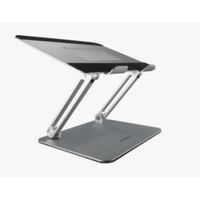
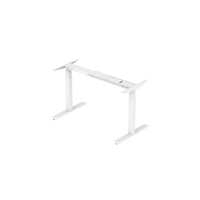
One of the most effective ways to promote movement without interrupting productivity is through the use of sit-to-stand workstations.
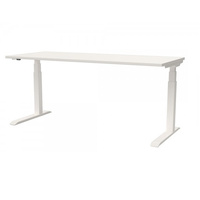
Height adjustable desks allow workers to transition between seated, perched and standing postures throughout the day, rather than remaining fixed in one position. This supports the S P A S™ model (Sit · Perch · Active Stand), which recognises that posture naturally changes as tasks, energy levels and focus shift.
Health and Comfort Benefits
Investing in height adjustable workstations supports an active workplace and may reduce the risk of developing musculoskeletal discomfort associated with prolonged sitting. Evidence also suggests potential benefits for broader health outcomes including reduced fatigue and improved comfort during the working day.
A study conducted at Monash University in Melbourne found that sit-to-stand desk users experienced significant reductions in fatigue and lower back discomfort, while maintaining productivity levels, particularly among overweight and obese office workers. True.
The Key Insight
An active office is not about standing all day.
It is about prioritising movement and posture variation.
When a workspace is furnished and configured intelligently it manages posture by supporting vision, seating, reach and posture transitions. Movement becomes a natural part of work rather than a disruption to it.
This is the foundation of the Ergonomic Office P O S T U R E Model™ integrating:
-
S E E™ vision-driven posture
-
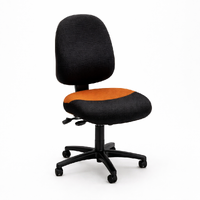
S E A T™ supportive, adjustable seating
-
A R M S™ efficient reach and upper-limb interaction
-
S P A S™ sit, perch and active stand throughout the day
Practical Application
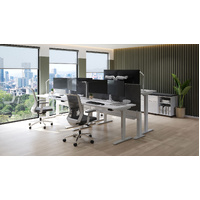
At ergonomicoffice, we support active workplaces through a range of height adjustable desks and sit-to-stand solutions designed to accommodate different users, tasks, and environments. Accessories such as anti-fatigue mats and perching stools can also assist people transitioning to more dynamic work patterns.
These tools are most effective when used as part of a broader ergonomic approach; one that supports movement, variation and comfort rather than forcing the body into a single “ideal” posture.






.png)