The Penguin 3 in 1 - Ambidextrous Vertical Mouse
SKU: MOUSEPEN
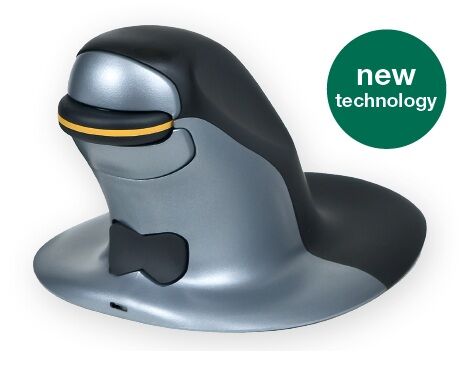
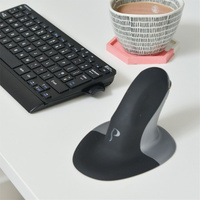
Penguin 3-in-1 Ambidextrous Vertical Mouse
Vertical Support. Either Hand. Three Ways to Connect.
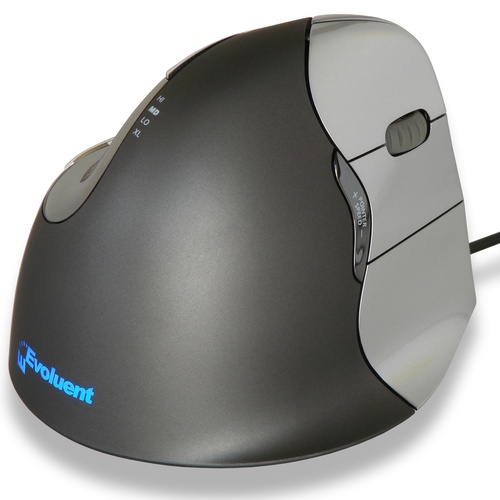
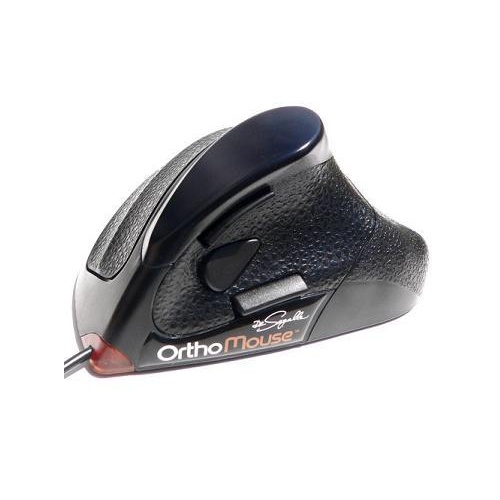
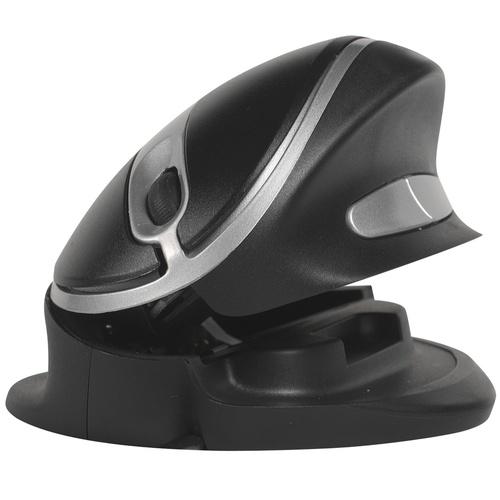
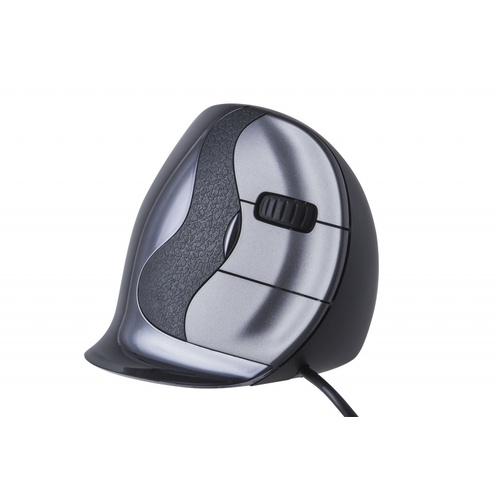
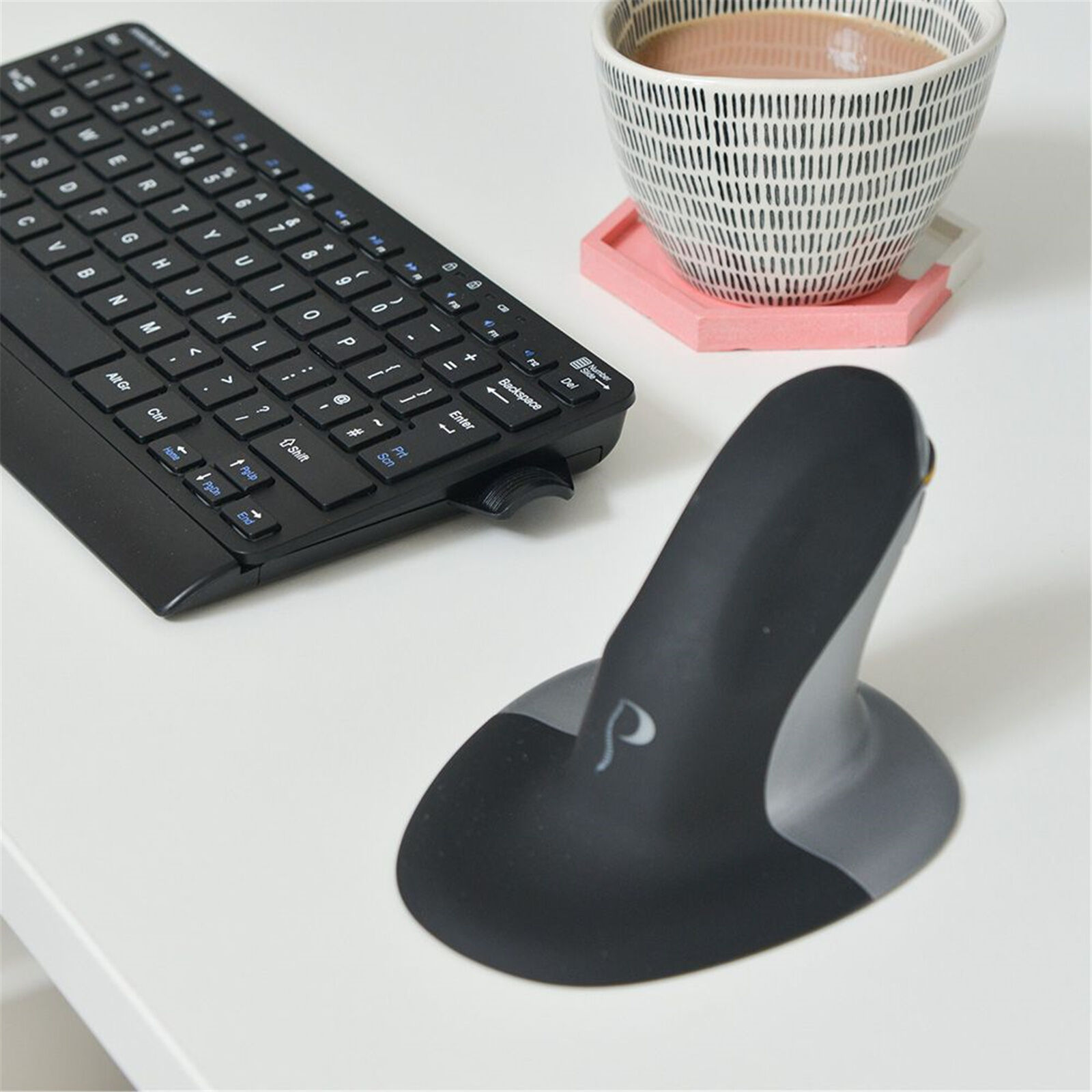
The Penguin 3-in-1 Ambidextrous Vertical Mouse combines an upright hand position with the flexibility to mouse using either the left or right hand.
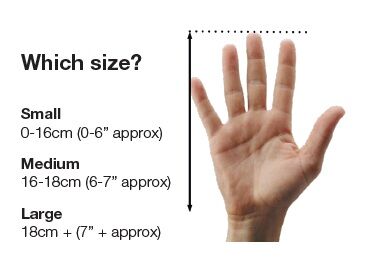
Its distinctive vertical design supports a less palm-down forearm position, while three size options allow the mouse to be selected more appropriately for the individual hand.
With wired, wireless and Bluetooth connectivity in one mouse, the Penguin is equally suited to fixed, shared and mobile workstations.
The Penguin sets new standards of protection against a range of upper limb conditions such as repetitive strain injury (RSI) and carpal tunnel syndrome (CTS) by enabling right and left hands to share the workload and avoiding exaggerated movements of the wrist joint that can increase pressure on the soft tissues in the carpal tunnel.
Regular switching of hands throughout the day helps prevent static muscle strain (SMS) in the arm and
shoulder - a major source of discomfort in mouse work.
Key Features
- ambidextrous vertical design
- switchable left- or right-hand operation
- available in Small, Medium and Large
- 3-in-1 wired, wireless and Bluetooth connectivity
- adjustable 800 / 1200 / 1600 / 2400 DPI
- precision scroll wheel
- low-force mouse buttons
- BioCote® antimicrobial protection
- rechargeable wireless operation
- Windows and macOS compatible
- 2-year warranty
.png)
.png)
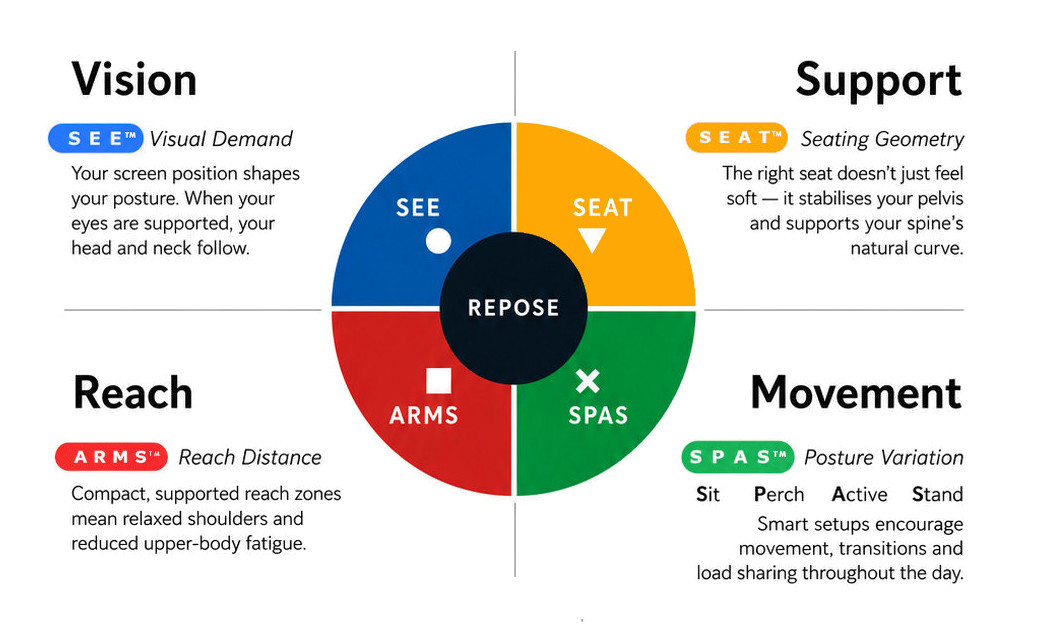
What this means for you when the 4 elements are aligned
| Corrected screen alignment → reduced neck strain |  - S E E™ - S E E™ |
| Better pelvic support → less lower back fatigue |  - S E A T™ - S E A T™ |
| Arm positioning → reduced shoulder load |  - A R M S™ - A R M S™ |
| Movement support → reduces static load |  - S P A S™ - S P A S™ |
R E P O S E™ Outcome
The Penguin supports Natural R E P O S E™ through more upright hand positioning, individual sizing and the freedom to alternate hands.
Vertical position. Either hand. Change when required.
Compatibility
Windows XP, Vista, 7,
8, 10, Mac OS X
Connectivity Plug & Play USB 2.0
DPI settings
800, 1200, 1600
or 2400
2 Years Warranty
The Penguin 3 in 1 - Ambidextrous Vertical Mouse

• Available in three sizes to suit different hand
dimensions
• Combined wired/wireless/bluetooth technology
• Vertical design promotes a more ergonomic hand
position
• Adjustable DPI settings (800, 1200, 1600 or 2400)
for fast and precise cursor movement
• Precision scroll wheel for smooth and accurate
document navigation
• Soft-touch keys with low activation force and full
key travel for comfortable typing
• Coated with BioCote® antimicrobial technology,
reducing bacteria by up to 99.99%.
Who Is It For?
Suitable for users who:
- want a more upright hand and forearm position
- want to alternate between left- and right-hand mouse use
- undertake frequent mouse-based work
- prefer a larger, supported vertical mouse
- need different sizing options for individual hand fit
- work across desktop, laptop or shared workstation environments
Problem to Solve
Conventional flat mice generally position the hand palm-down and are commonly operated with the same hand throughout the day.
The Penguin takes a different approach.
Its ambidextrous vertical design allows the user to maintain a more upright hand position and easily transfer the mouse between hands, helping introduce variation into repetitive computer work.
A R M S™ — Primary
Arm Support · Reach · Mouse · Surface
The Penguin supports A R M S™ by helping users:
- reduce sustained palm-down forearm positioning
- alternate between left- and right-hand operation
- introduce variation into mouse-intensive work
- select a size appropriate to the hand
- keep the mouse within a controlled working reach zone
- maintain familiar clicking, scrolling and cursor control
Penguin 3-in-1 Ambidextrous Vertical Mouse
Vertical Support. Either Hand. Three Ways to Connect.
The Penguin 3-in-1 Ambidextrous Vertical Mouse combines an upright hand position with the flexibility to mouse using either the left or right hand.
Its distinctive vertical design supports a less palm-down forearm position, while three size options allow the mouse to be selected more appropriately for the individual hand.
With wired, wireless and Bluetooth connectivity in one mouse, the Penguin is equally suited to fixed, shared and mobile workstations.
The Penguin sets new standards of protection against a range of upper limb conditions such as repetitive strain injury (RSI) and carpal tunnel syndrome (CTS) by enabling right and left hands to share the workload and avoiding exaggerated movements of the wrist joint that can increase pressure on the soft tissues in the carpal tunnel.
Regular switching of hands throughout the day helps prevent static muscle strain (SMS) in the arm and
shoulder - a major source of discomfort in mouse work.
Key Features
- ambidextrous vertical design
- switchable left- or right-hand operation
- available in Small, Medium and Large
- 3-in-1 wired, wireless and Bluetooth connectivity
- adjustable 800 / 1200 / 1600 / 2400 DPI
- precision scroll wheel
- low-force mouse buttons
- BioCote® antimicrobial protection
- rechargeable wireless operation
- Windows and macOS compatible
- 2-year warranty
What this means for you when the 4 elements are aligned
| Corrected screen alignment → reduced neck strain | - S E E™ |
| Better pelvic support → less lower back fatigue | - S E A T™ |
| Arm positioning → reduced shoulder load | - A R M S™ |
| Movement support → reduces static load | - S P A S™ |
R E P O S E™ Outcome
The Penguin supports Natural R E P O S E™ through more upright hand positioning, individual sizing and the freedom to alternate hands.
Vertical position. Either hand. Change when required.
Compatibility
Windows XP, Vista, 7,
8, 10, Mac OS X
Connectivity Plug & Play USB 2.0
DPI settings
800, 1200, 1600
or 2400
2 Years Warranty